

Physiotherapy for Neurological Conditions: Supporting Movement, Recovery and Independence
Updated: Apr 17
Living with a neurological condition can affect far more than just your physical movement: Changes to balance, coordination, strength and confidence can have a profound impact on your independence and quality of life.
The physiotherapy for neurological conditions we offer at Evoke Neurological Rehabilitation, plays a vital role in helping individuals adapt, recover skills and regain control over their bodies. Through specialist assessment and carefully structured rehabilitation, our neurological physiotherapy supports meaningful, long-term improvements rather than short-term fixes.
At its core, our physiotherapy for neurological conditions focuses on how the nervous system communicates with the rest of the body. When that communication is disrupted, movement can become difficult, unpredictable or exhausting.
Our specialist physiotherapy works to retrain movement patterns, build strength and improve your functional ability in ways that are realistic, achievable and tailored to each individual.
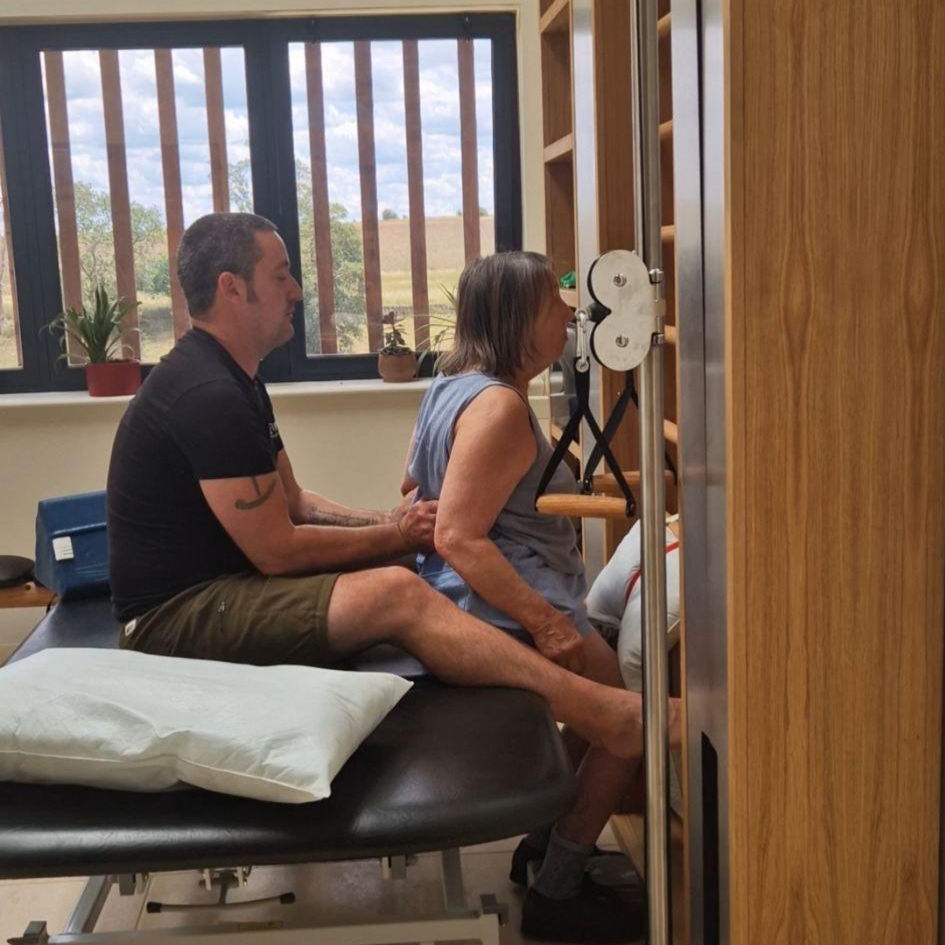
Understanding Physiotherapy for Neurological Conditions
Physiotherapy for neurological conditions, often known as neurological physiotherapy or neurorehabilitation, is a specialised field that addresses disorders affecting the brain, spinal cord and nerves. Unlike musculoskeletal physiotherapy, which often targets isolated injuries, neurological physiotherapy considers the whole person and the complex way the nervous system controls movement, posture and coordination.
Neurological conditions can be long-term or progressive, sudden or gradual in onset. Regardless of diagnosis, the aim of physiotherapy is to maximise your physical function, promote independence and help people move with greater confidence and control.
Treatment is not about ‘pushing through' symptoms but rather about understanding how the nervous system learns and adapts and using this knowledge to support recovery.
Who Can Benefit from Neurological Physiotherapy?
Many different individuals, with varying conditions, can benefit from our physiotherapy for neurological conditions.
A stroke is one of the most common reasons people seek neurological rehabilitation, as they often result in weakness, changes in sensation and altered movement patterns. Conditions such as Parkinson’s disease can also affect gait, posture and coordination, while multiple sclerosis may lead to fatigue, balance issues and fluctuating strength.
Physiotherapy is also beneficial for people with acquired brain injuries, spinal cord injuries, peripheral nerve conditions and functional neurological disorders. In all cases, rehabilitation focuses on what matters most to the individual, whether that is walking independently, returning to work, managing fatigue or feeling safer when moving around the home.
Importantly, neurological physiotherapy is valuable at all stages. Early intervention can be highly effective but people can still make meaningful progress months or even years after diagnosis or injury.
What Physiotherapy for Neurological Conditions Involves
Neurological physiotherapy always begins with a detailed assessment where we’ll look at your movement, balance, strength, coordination, posture and functional ability, as well as how symptoms affect your everyday life. From this, a personalised rehabilitation plan is developed, designed around your individual goals rather than a generic exercise programme.
Treatment commonly includes movement retraining to improve walking, transfers and posture. Balance work is also essential, helping people feel steadier and more confident when standing or moving. Strengthening exercises are used to support weakened muscles and improve endurance, while coordination activities help refine movement and control.
Functional practice is a key element of our physiotherapy for neurological conditions. Repeating meaningful tasks such as standing up from a chair, climbing stairs or reaching for objects helps reinforce new neural pathways. Manual therapy may be also used to manage stiffness or muscle tightness, making movement easier and more comfortable.
The Role of Neuroplasticity in Recovery
One of the most important principles behind our physiotherapy for neurological conditions is neuroplasticity. Neuroplasticity refers to the brain and nervous system’s ability to reorganise and form new connections. Through repetition, challenge and task-specific practice, physiotherapy encourages the nervous system to adapt and find new ways to control movement.
This is why consistency and progression are so important. The exercises we work on with our patients are carefully graded to remain challenging without becoming overwhelming. Over time, small improvements can add up to significant changes in function and independence.

The Importance of Personalised Rehabilitation
No two neurological conditions present in exactly the same way, and no two people have identical goals. This is why physiotherapy for neurological conditions must always be personalised. Our rehabilitation plans also evolve over time, responding to progress, setbacks and changes in symptoms accordingly throughout.
Working collaboratively with us as a patient ensures your therapy remains relevant and motivating. Your goals might focus on independence at home, confidence outdoors or participation in hobbies and social activities. By keeping your rehabilitation meaningful, physiotherapy becomes part of your daily life rather than something separate from it.
Supporting Long-Term Independence
At Evoke Neurological Rehabilitation, our physiotherapy for neurological conditions is not just about recovery, but about long-term management. For progressive or long-term conditions, the physiotherapy we offer helps people adapt to change, maintain function and stay as active as possible.
For further information on how we can help you in your journey to independence, please get in touch with our team today.


Comments